When disaster hits your home or business, the first question is always the same: What do I do now?
At Dri-Life Restoration, we’ve helped property owners navigate everything from flooding and mold outbreaks to fire damage and storm-related destruction. Knowing what to expect during emergency restoration services can make a stressful situation far more manageable—and help you act quickly to minimize damage.
What Qualifies as an Emergency Restoration Situation?
Not all property damage is created equal. Emergency restoration situations typically involve issues that can worsen rapidly or pose health and safety risks.
Common emergencies include:
-
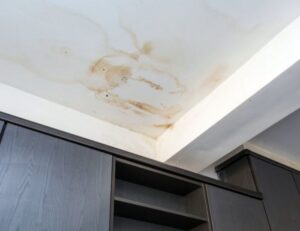
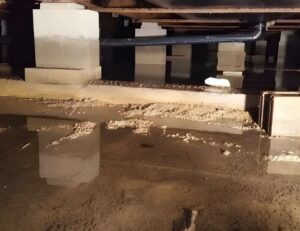
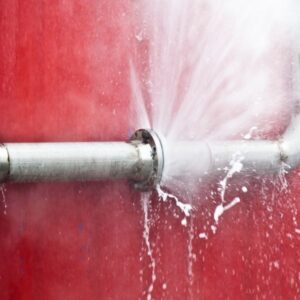
Flooding or burst pipes
-
Fire and smoke damage
-
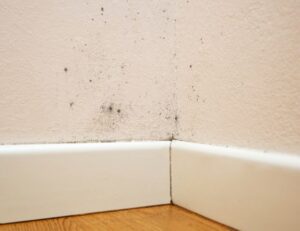
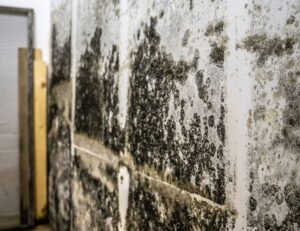
Mold growth after water exposure
-
Storm or natural disaster damage
If you’re unsure whether your situation qualifies, it’s always better to act fast. Our team at Dri-Life Restoration is equipped to assess and respond quickly to prevent further damage.
You can explore the full range of solutions we offer on our restoration services page.
The First 24 Hours: Why Speed Matters
The first 24 hours after property damage are critical. Water can seep into structural materials, mold can begin forming, and soot can permanently stain surfaces.
We always emphasize rapid response because:
-
Water damage can escalate within hours
-
Mold growth can begin in as little as 24–48 hours
-
Smoke residue becomes harder to remove over time
If you’re dealing with flooding or leaks, our water damage restoration services are designed to immediately stabilize your property and begin the drying process.
For a deeper dive into urgent response steps, check out our guide on what to do in the first 24 hours after water damage.
Step-by-Step: What to Expect During Restoration
1. Emergency Contact and Inspection
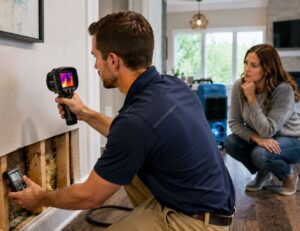
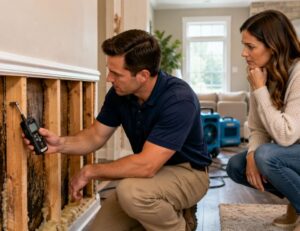
When you reach out to Dri-Life Restoration, we begin with a rapid assessment. This allows us to identify:
-
The source of damage
-
Safety concerns
-
The scope of restoration needed
If you’re dealing with urgent issues, our emergency restoration services are designed for immediate deployment.
2. Damage Containment and Mitigation
Before full restoration begins, we take steps to prevent further damage:
-
Water extraction
-
Boarding up damaged areas
-
Stabilizing affected structures
This phase is critical in reducing long-term repair costs.
3. Cleanup and Removal
Once the situation is stabilized, we remove damaged materials and contaminants. This may include:
-
Water-damaged drywall and flooring
-
Soot and smoke residue
-
Mold-infested materials
If mold is present, our mold remediation services ensure safe and thorough removal.
You can also learn more about why professional help matters in our post on the dangers of DIY mold removal.
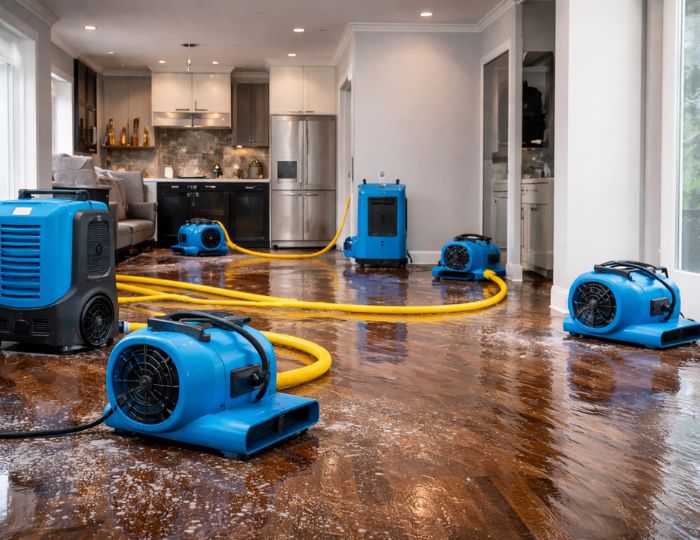
4. Drying, Dehumidification, and Cleaning
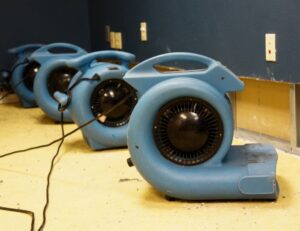
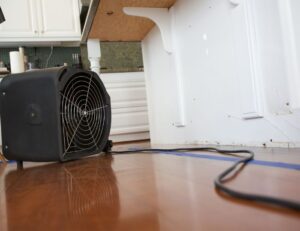
Industrial-grade equipment is used to fully dry and sanitize your property. This step prevents:
-
Secondary mold growth
-
Structural weakening
-
Lingering odors
Our advanced methods are explained further in our guide on what drying equipment restoration companies use.
5. Restoration and Repairs
Finally, we restore your property to its pre-damage condition. This may involve:
-
Rebuilding walls or flooring
-
Repainting and refinishing
-
Full structural repairs
For fire-related damage, our fire damage restoration services ensure a safe and complete recovery.
Why Professional Restoration Is Essential
It can be tempting to handle damage on your own—but in most cases, that leads to bigger problems down the road.
At Dri-Life Restoration, we bring:
-
Specialized equipment
-
Industry-certified techniques
-
Experience handling complex damage scenarios
Choosing a professional team helps ensure the job is done right the first time. If you’re still evaluating your options, our article on how to choose the right restoration company is a helpful starting point.
Preventing Future Emergencies
While not all disasters can be avoided, proactive steps can reduce your risk:
-
Regular plumbing inspections
-
Proper ventilation in high-moisture areas
-
Routine property maintenance
Seasonal upkeep can make a major difference—especially in areas prone to freezing or storms. Our guide on preventing freezing pipes and water damage offers practical tips.
When to Call Dri-Life Restoration
If you’re facing property damage, the most important step is acting quickly. The longer you wait, the more extensive—and expensive—the damage can become.
At Dri-Life Restoration, we’re committed to fast response times, clear communication, and high-quality results. Whether you’re dealing with water, fire, mold, or storm damage, our team is ready to help you recover with confidence.
If you need immediate assistance or want to learn more, visit our contact page to get in touch with our team today.
TL;DR / Key Takeaways
-
Emergency restoration includes water, fire, mold, and storm damage
-
The first 24 hours are critical to minimizing long-term damage
-
The process includes inspection, mitigation, cleanup, drying, and repairs
-
Professional restoration ensures safety, efficiency, and proper results
-
Dri-Life Restoration provides comprehensive, rapid-response services to restore your property quickly