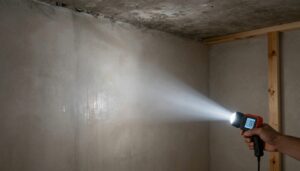
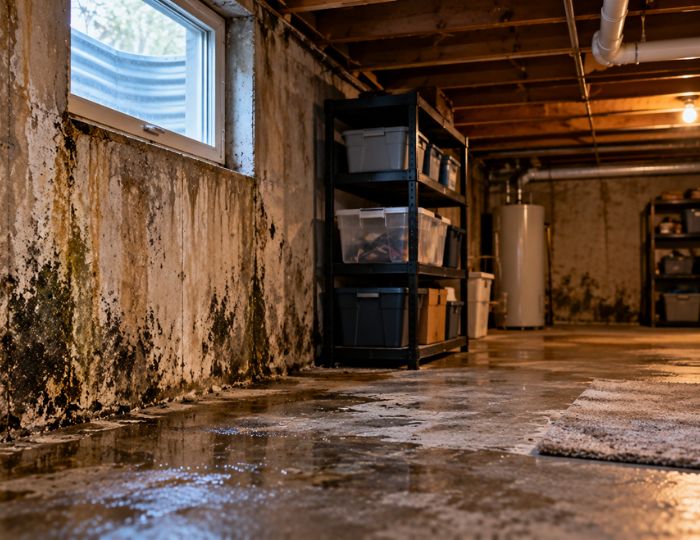
A musty basement smell is easy to dismiss, especially in a space that’s partially unfinished or rarely used.
But persistent odors shouldn’t automatically be considered a normal part of having a basement.
A musty smell can accompany excess moisture, previous water damage, damp building materials, or mold growth. The source may be obvious, but it can also be hidden behind finished walls, beneath flooring, or in other difficult-to-see areas.
At Dri-Life Restoration, we encourage homeowners to look beyond the smell itself and consider what may be creating it.
Here are seven signs that moisture or hidden mold could be contributing to a musty basement.
1. The Odor Doesn’t Go Away
Pay attention to whether the smell is temporary or persistent.
If airing out the basement doesn’t resolve the odor—or if the smell repeatedly returns—there may be an underlying moisture issue that hasn’t been addressed.
The important question isn’t simply how to make the basement smell better.
It’s why the odor exists in the first place.
If mold is suspected, understanding what mold remediation involves is a useful place to start.
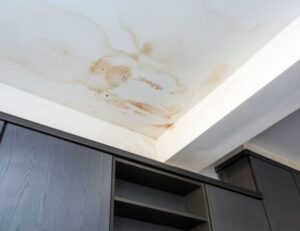
2. You Notice Stains or Discoloration
Changes in the appearance of walls, ceilings, or flooring can provide clues about moisture.
Water stains and discoloration may indicate that materials have been exposed to moisture even if they feel dry now.
Homeowners should pay particular attention to areas around foundations, finished basement walls, ceilings beneath plumbing, and other places where water could potentially enter.
Our guide to spotting hidden water damage in basement walls covers warning signs that can be easy to miss.
3. Basement Materials Feel Damp
A basement doesn’t need standing water to have a moisture problem.
Carpet, drywall, trim, stored belongings, or other materials may feel damp or show subtle signs of moisture exposure.
Moisture can also exist where you can’t easily touch or inspect it.
If water damage is suspected, professional evaluation can help determine what areas have been affected.
Homeowners can review the signs that professional water damage restoration may be needed for additional guidance.
4. Condensation Keeps Appearing
Repeated condensation can be another sign that moisture conditions deserve attention.
Watch for moisture on windows, pipes, or other cool surfaces.
Occasional condensation doesn’t automatically mean mold is present, but persistent moisture can contribute to conditions where mold becomes a concern.
Look at the Basement as a Whole
Instead of focusing on one wet surface, consider the overall pattern.
Does the basement frequently feel damp?
Does the musty smell become stronger at certain times?
Are there multiple areas showing moisture?
Those details can help determine whether you’re dealing with an isolated issue or a broader basement moisture problem.
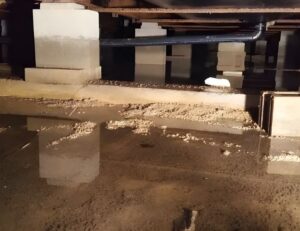
5. The Basement Has a History of Leaks or Flooding
Past water damage matters.
A basement may look dry today while still having materials that were affected by a previous leak, flood, plumbing problem, or other water event.
If wet materials weren’t thoroughly dried, hidden damage may remain.
Dri-Life Restoration explains how water damage restoration works and why addressing affected materials is an important part of recovery.
The first 24 hours after water damage can be especially important when responding to a new water event.
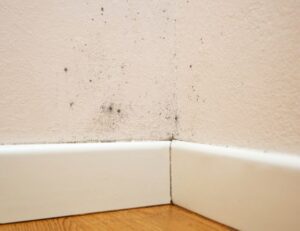
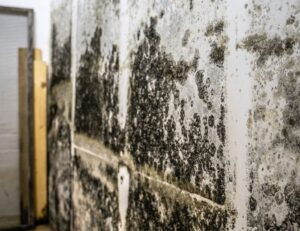
6. You See Possible Mold Growth
Visible growth or unusual spotting on building materials deserves attention.
However, homeowners shouldn’t assume that removing what they can see necessarily addresses the entire issue.
If moisture exists behind the affected surface, additional areas may require evaluation.
Professional mold remediation focuses on understanding and addressing the affected area rather than simply making visible growth disappear.
Our guide to the benefits of professional mold remediation explains why a professional approach can be important.
Likewise, homeowners should understand the potential drawbacks of attempting DIY mold removal.
7. The Smell Seems Strongest Near Finished Walls or Flooring
Finished basements can make hidden moisture more difficult to recognize.
Drywall, flooring, trim, and other finished materials can conceal areas where water has traveled.
If a musty odor seems noticeably stronger in one part of the basement, pay attention to what surrounds that area.
Previous leaks, foundation moisture, plumbing problems, or other water sources may have affected materials you can’t directly inspect.
Our guide to the warning signs of hidden leaks provides additional indicators homeowners can watch for.
Don’t Treat a Musty Smell as the Problem Itself
Air fresheners, candles, and other odor-masking products might make a basement smell different temporarily, but they don’t identify why the odor exists.
If moisture or mold is behind the problem, the source needs attention.
A professional assessment can help determine whether water damage, damp materials, or mold remediation needs to be addressed.
Dri-Life Restoration provides services throughout Northern Michigan, including mold inspection in Traverse City and mold-related services in other communities.
If water damage is part of the problem, professional restoration can help address affected materials and drying needs.
If your basement has a persistent musty odor and you’re concerned about hidden moisture or mold, contact Dri-Life Restoration to discuss what you’re seeing and smelling.
Key Takeaways
A persistent musty odor shouldn’t automatically be considered normal for a basement.
Water stains and discoloration can point to previous or ongoing moisture exposure.
Building materials can remain damp without obvious standing water.
Recurring condensation may indicate excess moisture conditions.
Past leaks or flooding can leave hidden damage behind.
Visible mold may represent only part of the affected area.
Musty odors near finished walls or flooring may warrant a closer look for concealed moisture.