
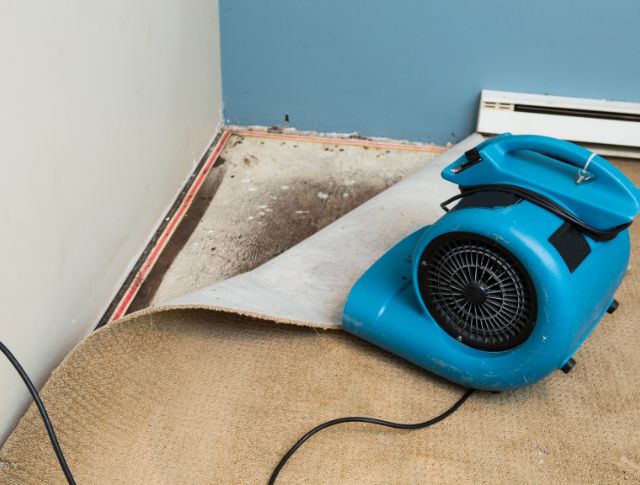
Water Damage Restoration in Traverse City
When a supply line lets go at two in the morning, the only clock that matters is the one running before the water reaches your subfloor and the bottom of your drywall. We are on site in Traverse City within one to two hours, any hour, any day of the year. Dri-Life Restoration has been drying out Northern Michigan buildings for 29 years, first as Randy’s Flood Service and now under our own name, and we bill your insurance company directly. Call (231) 935-4058.
What Actually Causes Water Damage Up Here
Northern Michigan produces its own particular set of water losses, and they run on a season.
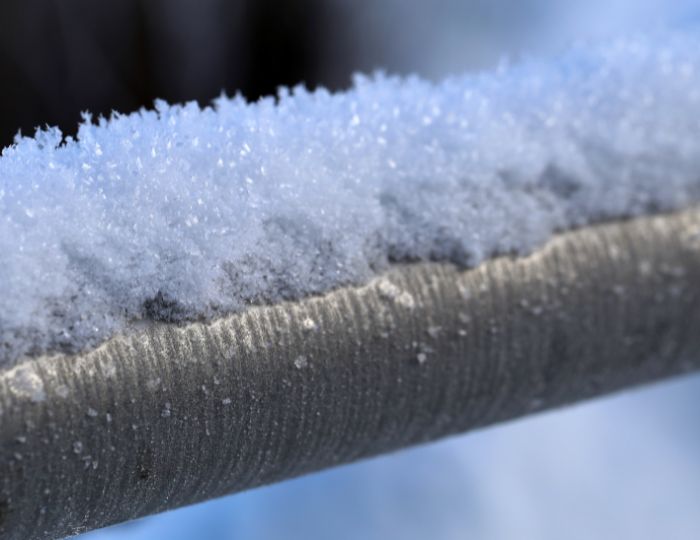
Frozen and burst pipes. A hard cold snap, an unheated crawl space, and a supply line running through an exterior wall. This is the most common emergency call we take between December and March, and a half-inch line can put several hundred gallons into a house before anyone notices. If it has already happened, see our frozen and burst pipe service.
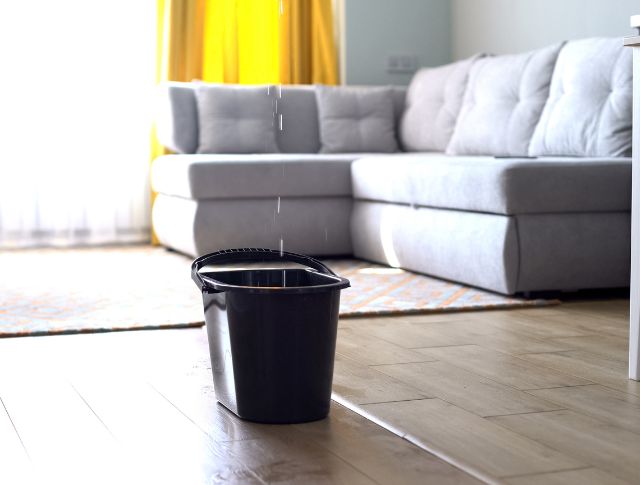
Seasonal and second homes. A cottage on Old Mission or out on the Leelanau peninsula can run water for weeks before anybody opens the door. By the time it is found, it is almost never just a plumbing repair. It is flooring, cabinetry, insulation, and nearly always mold.
Ice dams. Older roofs around the Central Neighborhood and Slabtown back meltwater up under the shingles, and it arrives through second-floor ceilings in February rather than during the storm that caused it.
Sump pump failure and spring melt. A pump that ran all winter picks the weekend the frost comes out of the ground to quit.
Summer storms. Heavy rain moving fast across already-saturated ground and into basements and walkouts, which is the call we take most often in July and August.
What to Do in the First Hour, Before We Get There
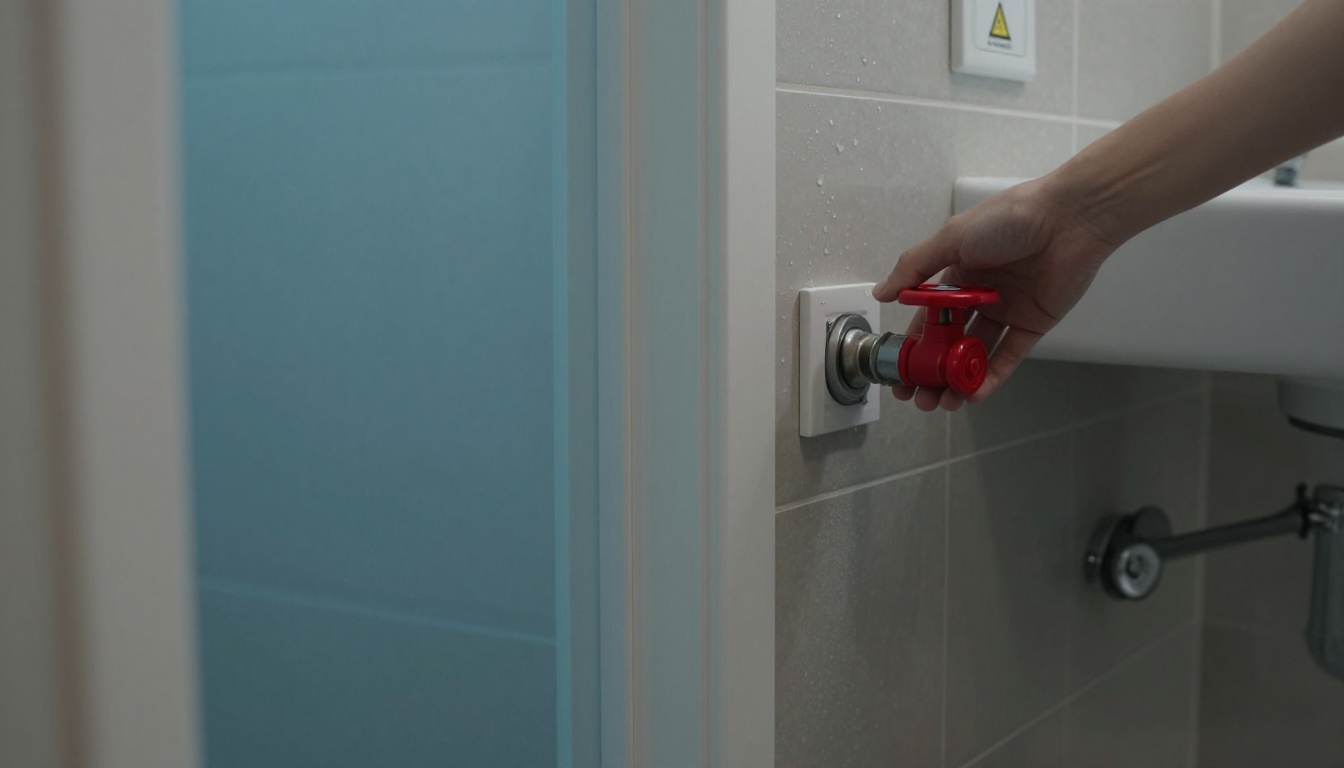
Stop the water. If it is a supply line, shut off the main. If you are not sure where your shutoff is, tell us when you call and we will talk you through finding it.
Cut power to the affected area, but only if you can reach the breaker without standing in water. If you cannot, leave it alone and tell us when we arrive.
Lift what you can. Furniture legs onto blocks or foil, area rugs up, anything cardboard off a wet floor. Cardboard wicks water upward faster than almost anything else in the room.
Do not run a household vacuum. A shop vac is fine. A regular vacuum is a genuine shock risk and will not survive it either.
Do not run the HVAC. It moves moisture and whatever is in the water through every duct in the building, which turns one wet room into a whole-house problem.
Photograph everything before you move it. Wide shots of each room, then close-ups. Your adjuster will ask for this and it is far harder to reconstruct afterward.
If the water came from a sewer line or from standing flood water outside, do not walk in it and do not attempt to clean it up. This is what our emergency restoration service is for. That is Category 3 water and it needs protective equipment.
What Happens When We Arrive
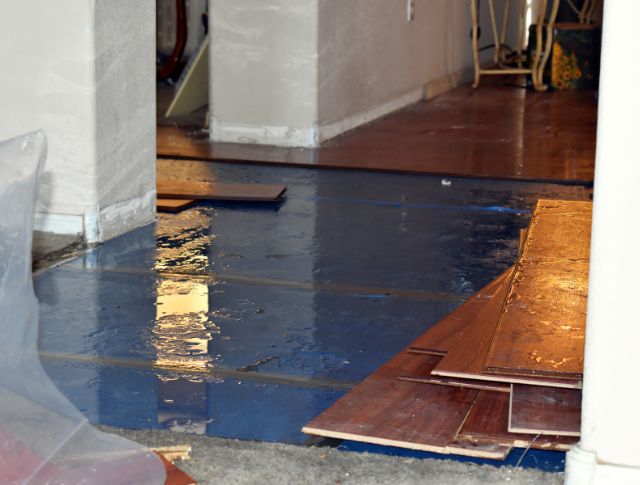
First, we find the water you cannot see. Infrared imaging and moisture meters, not guesswork. Water travels along joists and climbs drywall by capillary action, so the wet area is nearly always larger than the stain suggests. We map it and mark it before anything else happens.
Second, standing water comes out. Truck-mounted extraction, then extraction from carpet and pad. Whether the pad can be saved depends on how long it has been wet and what the water was, and we will tell you plainly rather than drying something that ought to be replaced.
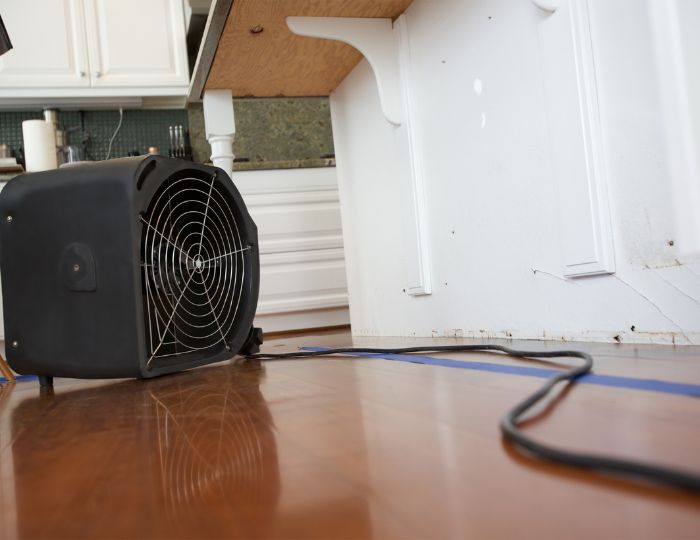
Third, we set a drying plan rather than a pile of fans. The number of air movers and dehumidifiers is calculated from the affected volume, the category of water and the materials involved. That calculation is exactly what the Applied Structural Drying certification covers, and it is the difference between a building that dries in days and one that grows mold in two weeks.
Fourth, we come back every day and take readings. Drying is finished when the moisture content of the material meets its dry standard, not when it looks dry and not when the equipment has run a set number of days. You get the readings.
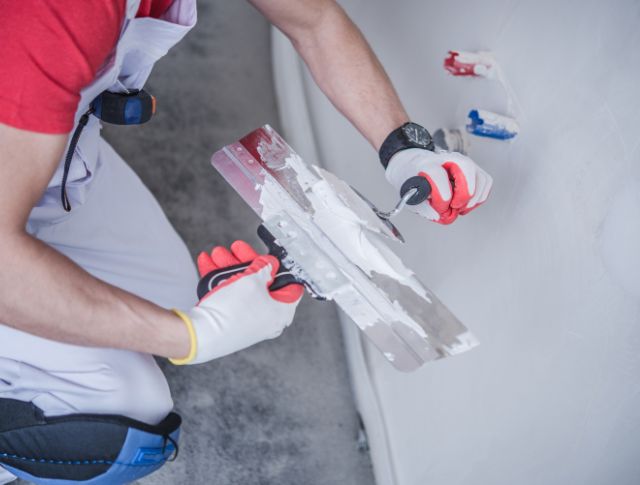
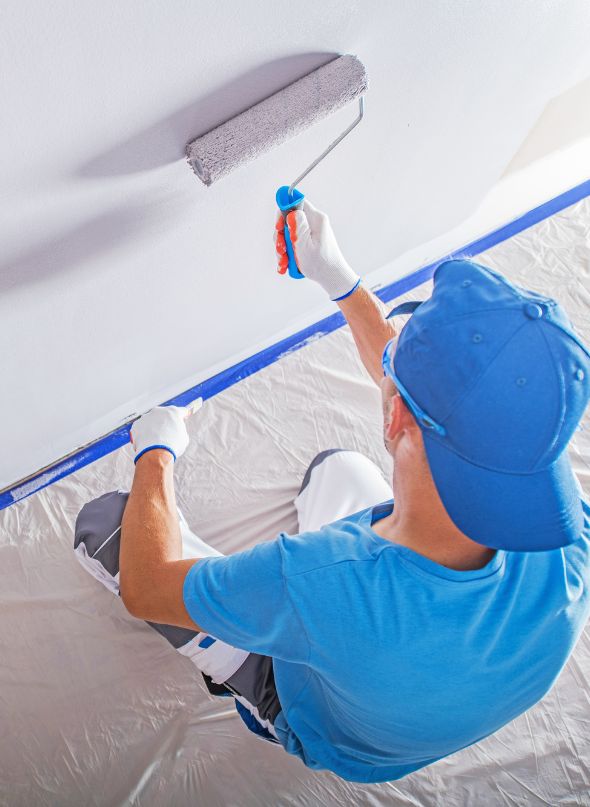
Fifth, we put it back. Drywall, trim, flooring, paint. One company throughout, so nobody is arguing about where drying ended and reconstruction began.
Your Insurance Claim, and What We Handle
Most water claims are settled on documentation created in the first 48 hours, before anyone from the insurance company has seen the building. That part is our job.
We document from the first walkthrough: photographs, moisture readings, a written scope and daily drying logs, recorded to the standard adjusters expect.
We speak to your adjuster directly, so you are not relaying technical questions back and forth.
We bill the insurance company. You are responsible for your deductible.
We tell you early when something will not be covered. Gradual leaks and long-term seepage are usually excluded, and surface flooding from outside the building needs separate flood coverage. Better to know on day one than after the work is finished.
Our Certifications
Certified Applied Structural Drying Contractor. Water Extraction, Structural Drying and Dehumidification. Certified Fire and Smoke Contractor. Nationally Certified Mold Inspection and Mold Remediation. Odor Control and Deodorization. Catastrophe and Disaster Storm Response. Infrared Surveys. Licensed, bonded and insured.
Applied Structural Drying is the one that matters most on a water loss. It is the certification covering how to calculate a drying system for the actual building instead of setting equipment by eye.
- Certified Applied Structural Drying Contractor
- Certified Fire & Smoke Contractor
- Mold Inspection & Mold Remediation
- Nationally Certified Mold Inspection
- Nationally Certified Mold Remediation
Why Dri-Life
One to two hour response, around the clock. Not a callback window.
29 years in restoration, and local the whole time. We work from 888 Industrial Circle in Traverse City. We are not a franchise dispatching a crew from downstate when the weather turns.
One company from extraction through reconstruction, with no handoff to a separate builder halfway through the job. See all our services.
Where We Work
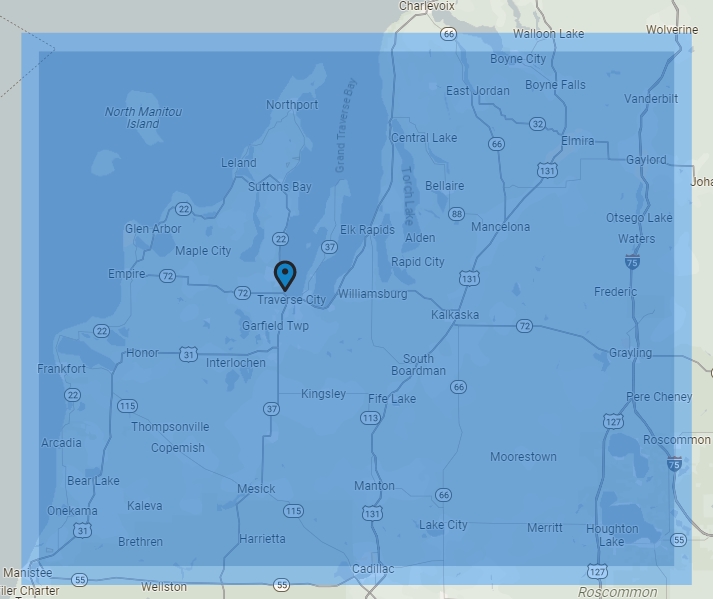
Traverse City and Grand Traverse County, plus Garfield Township, Williamsburg, Interlochen, Grawn, Leelanau County, Suttons Bay, Northport, Charlevoix, Boyne, Petoskey, Gaylord, Grayling and Cadillac. See the full service area.
Common Questions
Does homeowners insurance cover water damage?
Usually yes, if the cause was sudden and accidental: a burst pipe, a failed appliance hose, a storm-damaged roof. Usually not if it was gradual, such as a slow leak under a sink that went unnoticed for months or long-term seepage through a foundation. Surface flooding from outside the building is excluded from standard policies and needs separate flood coverage. If you are not sure which applies, call us before you call your insurer. We can usually tell from the damage pattern.
How long does drying take?
Most jobs are dry in three to five days. Hardwood, plaster and anything behind a vapor barrier take considerably longer. We take daily readings and stop when the material reaches its dry standard, not on a fixed schedule.
Do I have to move out?
Usually not. Most jobs are contained to the affected rooms, though the drying equipment is loud and runs continuously. If the water was contaminated, or if the affected area includes your only bathroom or kitchen, we will talk through the options. Your policy may cover temporary housing, so ask about additional living expenses.
Will this cause mold?
It can, if it is dried slowly or incompletely. Mold needs roughly 24 to 48 hours of sustained moisture to take hold, which is the entire reason emergency response matters. Dried and monitored properly, a water loss should not turn into a mold remediation job.
Can I just dry it myself with fans?
For a small spill on a hard floor, yes. For anything that has soaked carpet, reached drywall or run under a floor, household fans move air but do not remove moisture from it, so the water evaporates into the room and condenses somewhere else in the building. That is how a contained problem becomes a structural one.
Water damage does not wait for business hours and neither do we. Call (231) 935-4058 at any hour, or request an estimate.