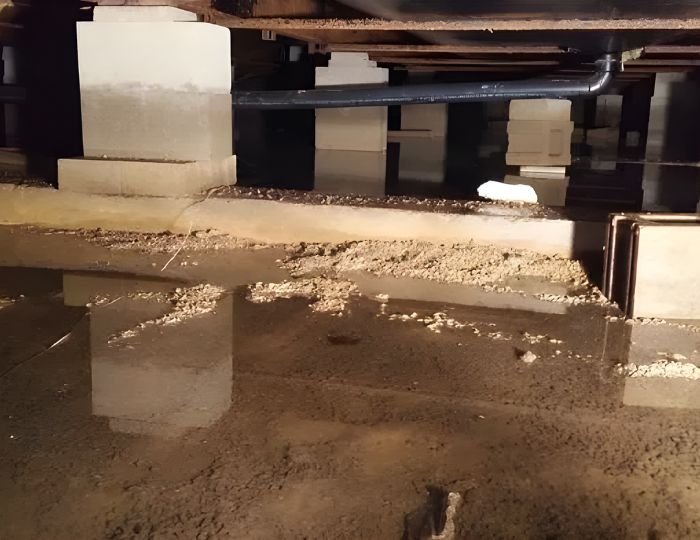
A flooded crawl space is one of the most overlooked — and potentially damaging — problems a homeowner can face. Because it’s out of sight, water can sit unnoticed for days or even weeks, leading to structural damage, mold growth, and costly repairs.
If you discover standing water beneath your home, acting quickly can significantly reduce long-term damage. Here’s what to watch for, the risks involved, and what steps to take next.
Common Signs Your Crawl Space Is Flooded
Crawl space flooding doesn’t always announce itself with visible water. Many homeowners first notice subtle warning signs.
Look for:
-
Musty odors inside your home
-
Warped or buckling floors
-
Increased indoor humidity
-
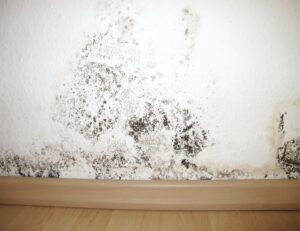
Mold growth along baseboards
-
Pest activity
-
Rising energy bills
If you’ve already experienced interior water issues, reviewing this guide on what is water damage restoration can help you understand how quickly moisture can spread.
Why Crawl Space Flooding Is So Dangerous
Even a small amount of standing water under your home can cause serious problems.
Structural Damage
Excess moisture weakens wood framing, floor joists, and support beams. Over time, this can compromise the stability of your home.
Mold Growth
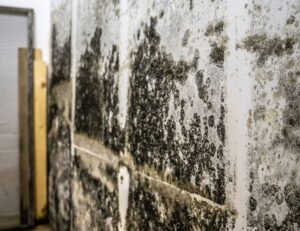
Crawl spaces are dark and humid — ideal conditions for mold. Mold spores can travel upward into your living space through what’s known as the “stack effect.”
If mold becomes a concern, professional mold remediation services are essential to prevent recurring contamination.
You can also learn more in this article explaining what mold remediation is.
Electrical Hazards
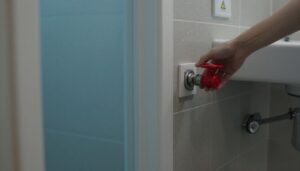
Standing water may reach wiring or HVAC systems located in the crawl space, creating shock and fire risks.
Poor Indoor Air Quality
Nearly half of the air in your home can originate from the crawl space. Flooding can introduce contaminants that affect respiratory health.
Step 1: Ensure Safety First
Before entering a flooded crawl space:
-
Shut off electricity to affected areas
-
Avoid standing water if electrical systems are present
-
Wear protective gear (gloves, boots, mask)
-
Never enter if structural damage is suspected
If the flooding is severe or ongoing, contact emergency professionals immediately.
Step 2: Identify the Source of the Water
Crawl space flooding commonly results from:
-
Heavy rain or snowmelt
-
Foundation cracks
-
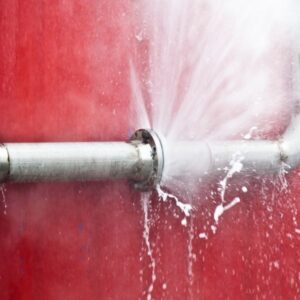
Burst pipes
-
Plumbing leaks
-
Poor drainage grading
-
Failed sump pumps
If a plumbing issue caused the flooding, this article on how a restoration company can help if your pipes burst explains what happens next.
Step 3: Remove Standing Water Quickly
The longer water sits, the more damage it causes.
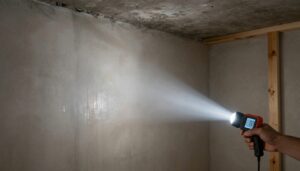
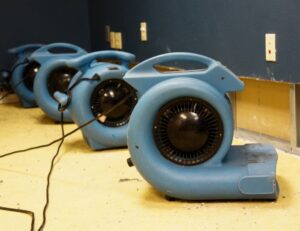
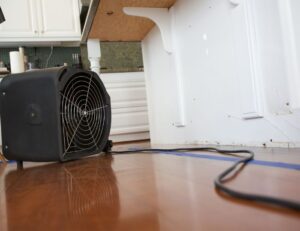
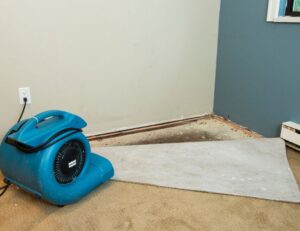
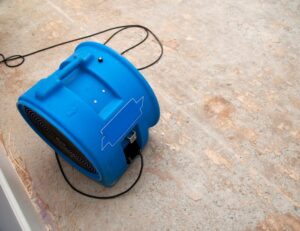
Professional restoration teams use specialized extraction tools and industrial drying systems. This breakdown of what drying equipment restoration companies use explains how high-powered air movers and dehumidifiers accelerate drying.
Prompt water removal can prevent secondary damage and reduce mold risk.
Step 4: Assess Hidden Moisture and Structural Impact
Even after visible water is removed, moisture can remain trapped in:
-
Subflooring
-
Insulation
-
Wooden framing
-
Vapor barriers
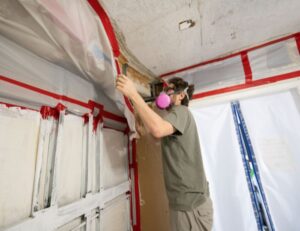
Left untreated, this can lead to long-term structural issues and hidden mold colonies.
If you’re unsure whether damage has spread, reviewing the signs outlined in spot hidden water damage in your basement walls may help you identify red flags.
Step 5: Address Mold Risk Immediately
Mold can begin growing within 24–48 hours in damp conditions.
If you notice:
-
Persistent odors
-
Visible discoloration
-
Respiratory irritation
-
Allergy symptoms
Professional inspection and remediation may be necessary. This guide on signs you need professional water damage restoration can help determine when to call experts.
Attempting DIY cleanup in a contaminated crawl space often spreads spores and worsens the issue.
Step 6: Prevent Future Crawl Space Flooding
After restoration, prevention becomes the priority.
Consider:
-
Improving exterior drainage
-
Extending downspouts
-
Sealing foundation cracks
-
Installing or upgrading sump pumps
-
Adding proper vapor barriers
If flooding has already caused significant damage, a comprehensive water damage restoration service ensures all affected areas are properly treated and restored.
When to Call a Professional Restoration Company
You should call a professional immediately if:
-
Water has been present for more than 24 hours
-
You smell mold
-
Structural components appear damaged
-
Insulation is saturated
-
Electrical systems are affected
-
The source of water is unknown
For emergency response and comprehensive restoration, you can visit the main Dri-Life Restoration website to request assistance.
Acting quickly minimizes structural damage, reduces mold risk, and protects your home’s long-term value.
TL;DR – Key Takeaways
-
Crawl space flooding often goes unnoticed but can cause serious structural and mold damage.
-
Warning signs include musty odors, warped floors, and increased humidity.
-
Remove standing water quickly and assess hidden moisture.
-
Mold can begin growing within 24–48 hours.
-
Professional restoration ensures thorough drying, cleanup, and prevention.