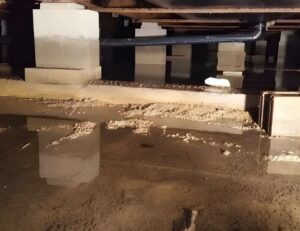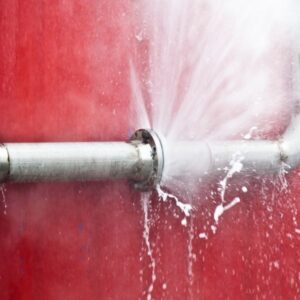
A sudden water leak can go from a small inconvenience to a major disaster in less than an hour. Whether it’s a burst pipe, appliance failure, or hidden plumbing issue, what you do in the first 60 minutes can significantly reduce damage, repair costs, and long-term risks like mold.
Below is a clear, step-by-step guide to help you take control fast—and know when it’s time to call in professional help.
Minute 0–5: Stop the Water at the Source
The very first priority is stopping the flow of water.
If you can safely access it, shut off:
-
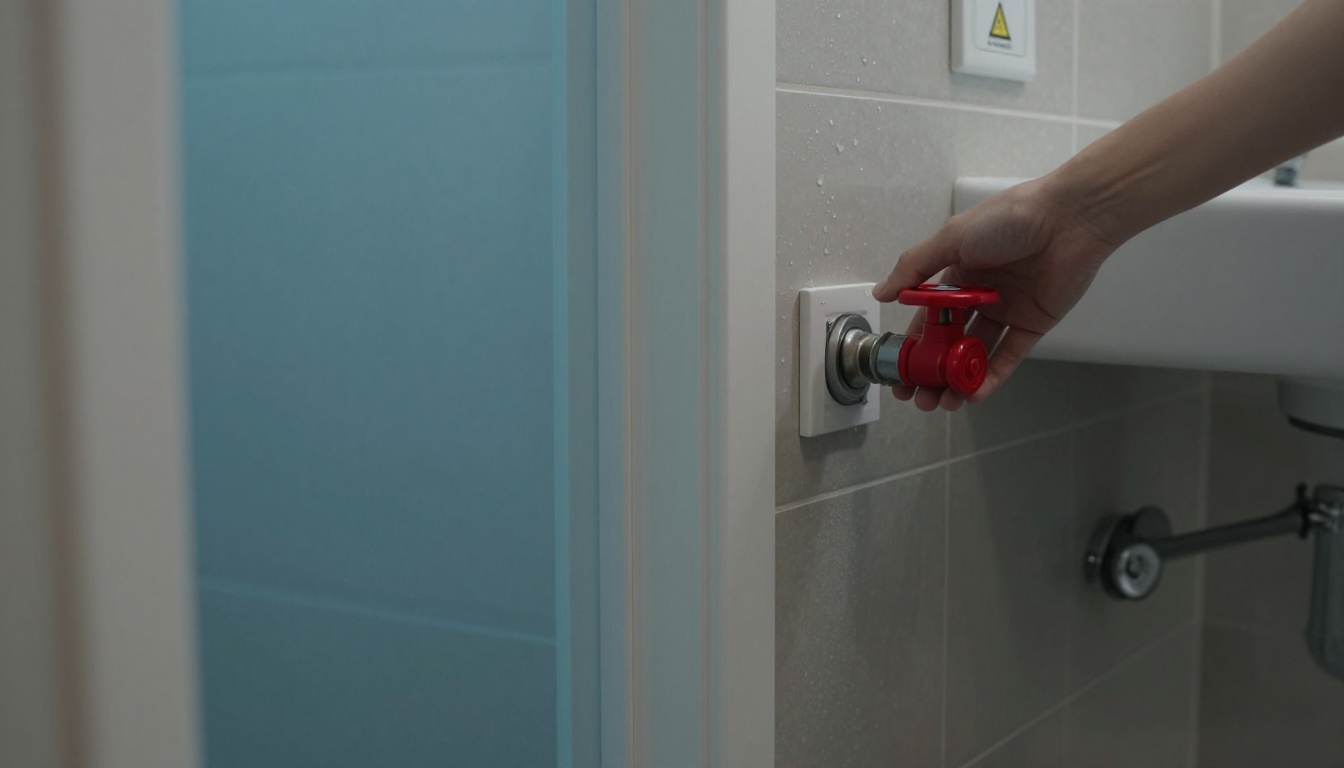
The main water supply valve to your home
-
Or the local shutoff valve for the affected fixture (toilet, sink, washing machine)
If the leak involves a major pipe failure or you’re unsure where the water is coming from, turning off the main supply is the safest move. Once the water is off, you’ve prevented further saturation and escalation.
If the damage is already spreading rapidly, it may be time to contact professional help immediately through an emergency restoration services team that can respond quickly.
Minute 5–15: Address Immediate Safety Risks
Water and electricity are a dangerous combination. Before focusing on cleanup, make sure the area is safe.
Shut Off Electricity if Needed
If water is pooling near outlets, appliances, or your electrical panel:
-
Turn off power to the affected areas
-
Avoid standing water until electricity is confirmed off
Watch for Structural Hazards
Ceilings that are bulging, sagging drywall, or warped flooring can collapse without warning. If you notice these signs, keep clear of the area and prepare to call professionals trained in water damage restoration.
Minute 15–30: Control and Contain the Water
Once the situation is safe, focus on minimizing spread.
Actions that help:
-
Use towels or mops to soak up standing water
-
Place buckets under active drips
-
Move furniture, rugs, and valuables out of the affected area
If water has reached carpeted areas, acting fast matters. Saturated carpet and padding can trap moisture and bacteria, which is why many homeowners turn to carpet cleaning services as part of early damage control.
Minute 30–45: Protect Your Belongings
Now it’s time to reduce secondary damage to personal items.
Elevate and Relocate
-
Lift furniture legs using foil, wood blocks, or plastic
-
Move electronics, documents, and décor to a dry space
Document the Damage
Take photos and short videos of:
-
The source of the leak
-
Wet areas, damaged items, and affected rooms
This documentation is useful if you later need professional restoration services or insurance support.
If the water has reached walls or flooring systems, it may also affect subfloors—something that often requires flooring installation or repair after proper drying.
Minute 45–60: Reduce Moisture and Humidity
Even after visible water is removed, moisture remains in the air and materials.
Steps to take:
-
Open windows if weather allows
-
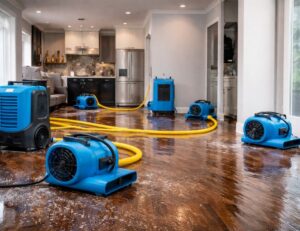
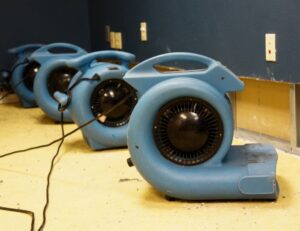
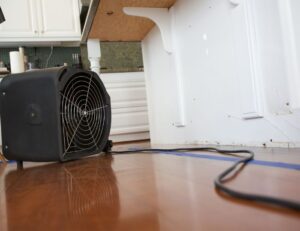
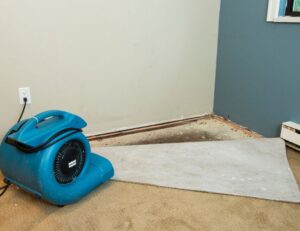
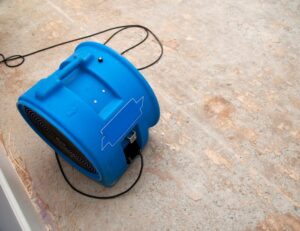
Run fans to increase air circulation
-
Use a wet/dry vacuum if available
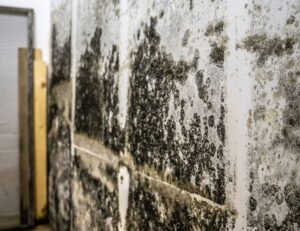
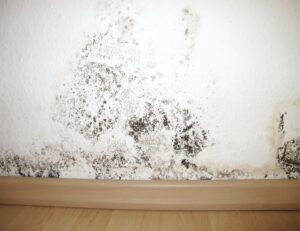
Avoid household dehumidifiers for major leaks—they’re rarely powerful enough. At this stage, hidden moisture behind walls or under floors can already be setting the stage for mold, which is why early professional drying is critical.
If you suspect moisture intrusion beyond surface areas, contacting a certified water damage restoration provider is the safest next step.
When to Call a Professional (and Why Timing Matters)
Not all water leaks are DIY situations. You should seek professional help if:
-
Water has been present for more than an hour
-
It’s spreading into multiple rooms
-
You notice musty odors or damp drywall
-
The source of the leak isn’t fully resolved
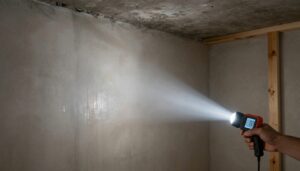
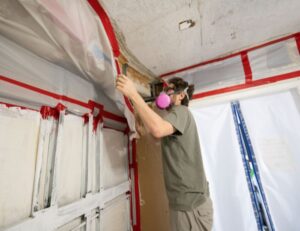
Trained technicians have the equipment to detect hidden moisture and prevent secondary issues like mold growth, which may later require mold remediation services or even follow-up mold inspection if conditions worsen.
TL;DR / Key Takeaways
-
Shut off the water immediately to stop further damage
-
Address electrical and structural safety before cleanup
-
Contain water and protect belongings within the first 30 minutes
-
Reduce humidity to prevent mold and material damage
-
Call professional restoration services if water spreads or lingers
Acting decisively in the first 60 minutes can save thousands in repairs and weeks of disruption. If the situation feels beyond your control, professional water damage restoration is the fastest way to protect your home and restore peace of mind.