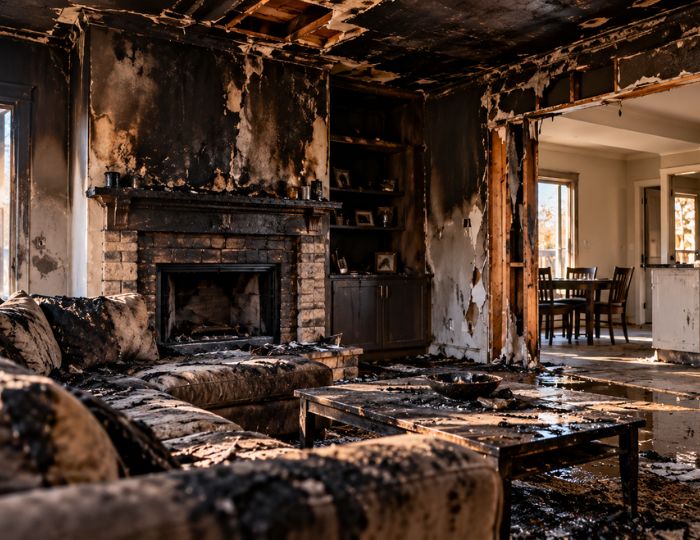
Once a house fire is extinguished, it’s natural to focus on the areas that look the worst. Burned materials, damaged walls, ruined belongings, and visible soot immediately demand attention.
But visible fire damage may only tell part of the story.
Smoke can travel beyond the room where the fire started. Water used during firefighting efforts can soak into building materials. Soot and odors can settle into surfaces throughout the home. Some affected areas may not be obvious during an initial walkthrough.
At Dri-Life Restoration, we understand that recovering from a fire involves identifying the full extent of the damage—not simply cleaning what can be seen.
Here are seven types of hidden damage homeowners should be aware of after a residential fire.
1. Smoke Damage Beyond the Fire Area
Smoke doesn’t necessarily stay confined to the room where a fire occurred.
It can travel through openings and into other areas of the home, leaving residue behind even where there is little or no visible fire damage.
That means rooms that appear relatively untouched may still require attention.
Our guide to smoke damage and its effects explains why smoke damage involves more than the odor people commonly associate with a fire.
A professional restoration assessment can help determine how far smoke-related damage extends.
2. Soot on Surfaces and Belongings
Soot can settle on walls, ceilings, furniture, fixtures, flooring, and household contents.
In some cases, the residue is obvious. In others, it may be less noticeable until surfaces are examined more closely.
Simply wiping visible soot away may not address all affected materials.
The appropriate restoration process can depend on what burned, where residue traveled, and which surfaces were exposed.
For homeowners trying to understand what professional recovery involves, our overview of what a restoration company does provides additional context.
3. Persistent Smoke Odors
A home can look clean while still smelling like smoke.
That’s because odor can remain in materials even after obvious debris has been removed.
Walls, flooring, furnishings, and other porous materials may retain smoke-related odors.
Odor Can Signal a Deeper Cleanup Need
Trying to cover the smell with fragrances doesn’t address the underlying source.
Fire restoration should focus on affected materials and contamination rather than simply masking the odor.
This is another reason professional assessment is important after a fire, even when the visible damage appears limited.
4. Water Damage From Firefighting Efforts
Fire and water damage can occur during the same emergency.
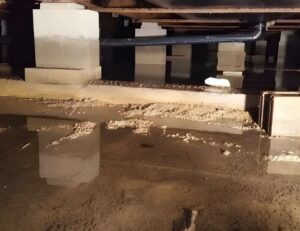
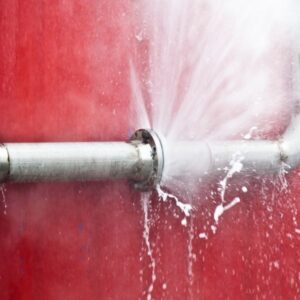
Water used to suppress a fire may spread across floors, enter walls, soak insulation, or reach lower levels of the home.
Once moisture enters building materials, timely drying becomes important.
Our guide explaining how quickly water damage can spread through a home illustrates why moisture shouldn’t be treated as a secondary concern.
Homeowners can also learn more about what water damage restoration involves.
5. Moisture Hidden Inside Walls and Floors
Standing water is relatively easy to recognize.
Hidden moisture can be more difficult.
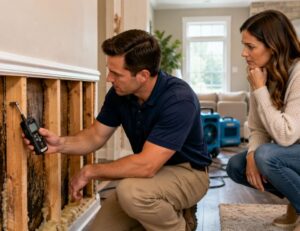
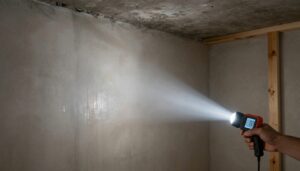
Water may travel beneath flooring or enter wall assemblies and other materials that don’t immediately look wet.
That’s why drying a property involves more than removing visible water.
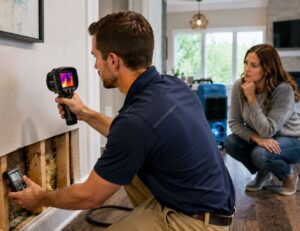
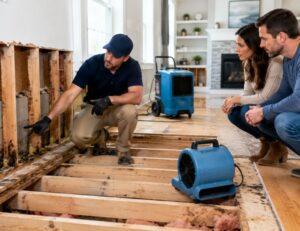
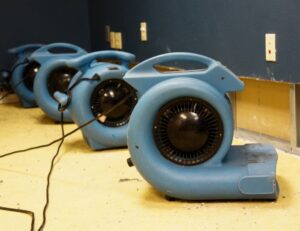
Professional restoration teams may use specialized drying equipment as part of the process. Our article on drying equipment used by restoration companies explains some of the tools involved.
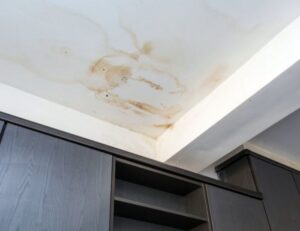
Homeowners should also be aware of the warning signs of hidden water damage when monitoring affected areas.
6. Mold Growth Following Water Exposure
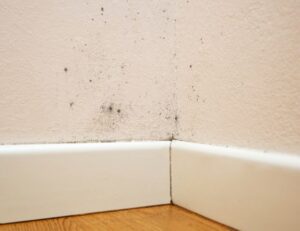
Where there’s unwanted moisture, mold can become another concern.
This is particularly important after a fire when water has entered materials that aren’t easily accessible.
Wet drywall, insulation, flooring, or other porous materials may require professional attention as part of the restoration process.
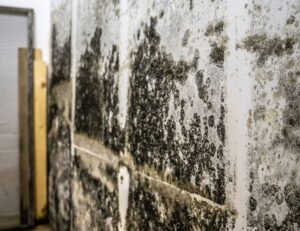
Dri-Life Restoration has resources explaining what mold remediation involves and the benefits of professional mold remediation.
Attempting to address significant mold contamination without understanding the extent of the problem can create additional challenges. Our guide to the hidden dangers of DIY mold removal explains why professional remediation may be necessary.
7. Damage in Areas You Can’t Easily Inspect
Some of the most concerning post-fire damage may exist in places homeowners can’t readily see.
That can include enclosed building materials and areas where smoke or water traveled away from the original fire.
A room looking normal doesn’t necessarily mean every material behind its finished surfaces was unaffected.
Professional restoration helps move the assessment beyond obvious surface damage and toward understanding what happened throughout the affected portions of the property.
Fire Recovery Is More Than Removing Burned Materials
After a fire, homeowners understandably want to begin putting their property back together as quickly as possible.
But restoration should start with understanding the damage.
Fire, smoke, soot, odors, and water can create overlapping restoration needs. Addressing only the most obvious damage can leave other affected areas behind.
Dri-Life Restoration provides fire damage restoration services throughout its service area, including fire damage restoration in Traverse City and other Northern Michigan communities.
When a property requires immediate help after a damaging event, homeowners can also turn to emergency restoration services in Traverse City.
If you’re dealing with the aftermath of a house fire, contact Dri-Life Restoration to discuss the next steps.
Key Takeaways
Smoke can travel well beyond the room where a fire started.
Soot may settle on surfaces and belongings throughout affected areas.
Persistent smoke odors can indicate that materials still require attention.
Water used during firefighting can create a second type of property damage.
Moisture may remain hidden inside walls, flooring, and other building materials.
Water exposure after a fire can contribute to mold concerns.
A professional restoration assessment can help identify damage that isn’t immediately visible.